PRP Treatment

Drs. Tom van Eijk
PRP, or platelet-rich plasma, is a treatment that uses components prepared from a person's own blood. After a blood sample is taken and processed, platelet-rich plasma is injected into the selected treatment area.
In aesthetic medicine, PRP may be used in treatment plans focused on skin quality or selected hair concerns. It does not add volume in the same way as a dermal filler.
The preparation method, treatment area, injection technique and protocol can differ between clinics. On Injectablesbooking, you can compare clinics and practitioners offering PRP treatments in the UAE according to the information available on their profiles.
PRP treatment at a glance
Treatment type | Platelet-rich plasma prepared from the patient's own blood |
Common goals | Skin-quality improvement or selected hair-related concerns |
Adds facial volume | No |
Results | Develop gradually and vary between individuals |
Sessions | More than one session may be discussed |
Important factors | Preparation method, indication, technique and practitioner experience |
PRP is not a filler and should not be presented as an instant volumising treatment.
Why can PRP results vary?
Why does PRP produce different results in different people?
PRP is prepared from the patient's own blood, so biological characteristics can differ between individuals.
Factors that may influence the treatment response include:
treatment area;
skin or scalp condition;
age;
individual healing response;
PRP preparation method;
injection technique;
treatment protocol.
Why do some people notice changes sooner?
PRP does not generally produce an instant volumising effect.
Changes develop gradually, and the timing varies according to the treatment goal and individual response.
Why might several PRP sessions be recommended?
Some PRP protocols include multiple treatment sessions rather than a single appointment.
The number and spacing of sessions should depend on the indication, treatment area and practitioner assessment rather than a universal schedule.
Why do PRP prices vary between clinics?
Cost can differ because clinics may use different:
preparation systems;
consumables;
treatment protocols;
treatment areas;
session lengths;
follow-up arrangements.
Practitioner experience and clinic costs can also influence pricing.
Why is comparing PRP clinics useful?
PRP preparation and injection protocols are not identical at every clinic.
Comparing clinics can help you understand differences in:
treatment planning;
practitioner experience;
preparation method;
hygiene;
aftercare;
pricing.

What is PRP and how does it work?
PRP in brief
Type of treatment: platelet-rich plasma injections
Material: prepared from the patient's own blood
Main goal: depends on the treatment area
Results: gradual and individually variable
Key factors: preparation, indication and injection technique
What happens during a PRP treatment?
A PRP procedure generally begins with a blood draw.
The blood is then processed to separate a plasma fraction containing concentrated platelets.
The prepared material is subsequently used in the selected treatment area according to the practitioner's protocol.
What does PRP do?
Platelets contain biologically active substances involved in normal healing processes.
PRP treatment uses the prepared platelet-rich fraction as part of a medical or aesthetic treatment protocol.
The clinical goal depends on whether the treatment is being used for skin, scalp or another indication.
Is PRP a filler?
No.
Dermal fillers add material and volume to selected areas.
PRP is prepared from the patient's blood and does not create facial volume in the same way.
What are the possible side effects and risks of PRP?
Temporary reactions can occur after PRP injections.
These may include:
redness;
swelling;
tenderness;
bruising;
sensitivity around injection points.
How long these reactions remain visible varies between individuals and treatment areas.
Can the skin temporarily change colour?
Temporary redness or bruising may occur because the treatment involves injections.
Unexpected, worsening or persistent skin changes should be assessed by the treating clinic.
Can infection occur?
Any procedure involving blood handling and injections requires appropriate hygiene and sterile technique.
Infection is possible after injectable procedures, although the individual risk depends on several factors.
Does using your own blood remove all risks?
No.
Using material prepared from the patient's own blood may reduce certain concerns related to foreign injected substances, but it does not make the procedure risk-free.
Risks related to:
blood collection;
processing;
injections;
infection;
bruising;
technique
still need to be considered.
When should you contact the clinic?
Contact the treating clinic if you develop:
increasing pain;
worsening redness;
unusual swelling;
signs of infection;
fever;
another unexpected reaction causing concern.
Common PRP treatment areas
Face
PRP may be included in treatment plans aimed at general skin-quality improvement.
Neck
It may also be used in selected protocols for skin-quality concerns in the neck area.
Décolletage
Some practitioners use PRP for selected skin-quality concerns on the upper chest.
Scalp
PRP is also used in some treatment protocols for hair-related concerns.
PRP results, duration and safety
The type of result expected from PRP depends heavily on the treatment indication.
For skin-focused treatment, patients may be seeking changes in areas such as:
texture;
overall skin quality;
fine lines;
general skin appearance.
For scalp treatment, the goal and expected result are different.
Results develop gradually and vary between individuals.
There is no single result duration that applies to every PRP treatment.
Duration can be influenced by:
treatment indication;
number of sessions;
individual response;
age;
skin or scalp condition;
maintenance.
Safety also depends on:
appropriate patient selection;
sterile blood handling;
preparation technique;
injection technique;
practitioner training;
appropriate follow-up.
PRP recovery and aftercare
Recovery depends on the treatment area, injection technique and individual response.
Temporary redness, sensitivity, swelling or bruising may occur.
Your practitioner should explain:
what reactions are expected;
how to care for the treated area;
when normal skincare can resume;
when physical activity can resume;
whether sun or heat exposure needs to be limited;
when to contact the clinic.
Follow the instructions provided for your specific treatment.
Who might consider PRP treatment?
PRP may be discussed with people interested in treatment plans involving their own platelet-rich plasma.
Whether treatment is suitable depends on:
the treatment indication;
medical history;
medication;
blood-related health factors;
active infection;
skin or scalp condition;
individual treatment goals.
A medical consultation should establish whether PRP is appropriate.
How do you decide whether PRP treatment fits your goal?
- 1 What concern are you trying to treat?
- 2 Is the treatment for your skin, scalp or another area?
- 3 Why is PRP being recommended for your concern?
- 4 How many sessions are being proposed and why?
- 5 What experience does the practitioner have with PRP?
PRP prices in the UAE
PRP prices can vary between clinics because treatment protocols may differ.
Cost can be influenced by:
treatment area;
preparation system;
number of sessions;
amount of treatment performed;
practitioner;
consultation;
follow-up.
When comparing PRP prices, check exactly what is included.
For example:
Price detail | What to check |
|---|---|
Session | Is the quoted price for one appointment? |
Treatment area | Is the face, scalp or another area being treated? |
Course | Does the price cover one session or several? |
Consultation | Is it included or charged separately? |
Follow-up | Is a review appointment included? |
Comparing the full treatment plan is more useful than comparing a single advertised price.
| Treatment | Unit | City/country | Price | |
|---|---|---|---|---|
| PRP Treatment | treatment | United Arab Emirates | د.إ 449 | Lowest price |
| PRP Treatment | treatment | United Arab Emirates | د.إ 975 | Average price |
| PRP Treatment | treatment | United Arab Emirates | د.إ 1500 | Highest price |
Compare PRP prices near you
Compare on experience & price Make an appointment immediately
PRP reviews: what should you look for?
Patient reviews can provide context about the treatment experience.
Useful topics may include:
quality of consultation;
clarity of the explanation;
blood collection experience;
hygiene;
comfort during treatment;
recovery;
aftercare;
pricing transparency.
Reviews do not prove that another patient will have the same medical or aesthetic result.
PRP treatment reviews
I now do my PRP treatment once a month, and I’m really happy with the progress so far. The clinic is clean, welcoming, and the staff are always friendly and attentive. I’m looking forward to seeing even more results with my upcoming sessions and would definitely recommend Glow Dubai to anyone considering PRP Show less »
A special thank you to the receptionist, Maria, for her warm welcome, kindness, and outstanding customer service. She was very helpful and made my visit even more pleasant. I truly appreciate the excellent care and highly recommend this clinic to anyone considering PRP hair treatment. Thank you! Show less »
If you want a clinic where the staff is cooperative, professional and actually cares, this is the place. Show less »
PRP compared with other treatments
Treatment | Main difference |
|---|---|
PRP | Uses material prepared from the patient's own blood |
Dermal fillers | Add volume or structural support |
Skinboosters | Primarily used for skin hydration and skin-quality goals |
Topical skincare | Works differently and does not involve injection of PRP |
These options are not interchangeable.
The appropriate approach depends on the concern, treatment goal and medical assessment.
How to compare PRP practitioners and clinics in the UAE
When comparing PRP clinics, consider:
experience with PRP;
experience with your specific indication;
consultation quality;
PRP preparation method;
hygiene and blood-handling protocol;
treatment plan;
explanation of risks;
follow-up;
pricing;
reviews.
For UAE practitioner profiles, only display professional licence information that has been verified.
The relevant health authority can differ according to the emirate and practitioner.
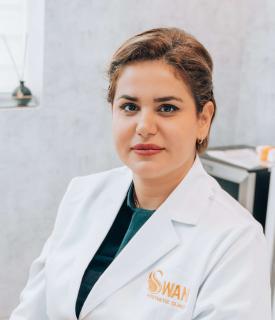
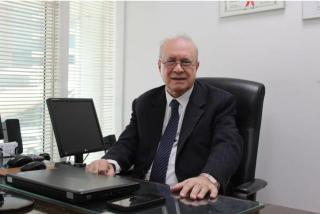
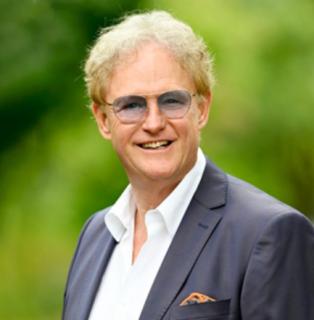
Cosmetic specialists in United Arab Emirates



Why PRP treatments differ between clinics
PRP is not prepared or administered in exactly the same way at every clinic.
Differences can include:
preparation system;
centrifugation protocol;
treatment area;
injection technique;
number of sessions;
practitioner experience;
aftercare;
pricing structure.
Ask the clinic to explain what the treatment involves and why its specific protocol is being recommended.
Compare clinics in United Arab Emirates

- PRP treatment from
- -

- PRP treatment from
- -


- PRP treatment from
- -
- PRP treatment from
- -
- PRP treatment from
- -
- PRP treatment from
- -
Frequently asked questions about PRP
What is PRP treatment used for?
PRP stands for platelet-rich plasma.
It is prepared from a patient's own blood and is used in different medical and aesthetic treatment protocols.
In aesthetic clinics, PRP may be discussed for skin-quality concerns or selected hair-related concerns.
The expected effect depends on the area and indication being treated.
What should you avoid after PRP?
Aftercare depends on the treatment area and protocol.
Follow the specific instructions given by your practitioner regarding:
skincare;
exercise;
heat exposure;
sun exposure;
medication;
touching or treating the area.
Do not assume that one aftercare schedule applies to every PRP procedure.
Can PRP be used under the eyes?
PRP may be discussed for selected under-eye skin-quality concerns.
The under-eye region has specific anatomy, and the treatment should be assessed individually by a practitioner with relevant experience.
PRP does not replace volume in the same way as a tear-trough filler.
Can PRP results be adjusted or reversed?
PRP does not work like hyaluronic acid filler and cannot simply be dissolved with an enzyme.
Its effects develop gradually through the body's response to treatment.
If the response is limited, the practitioner may reassess the treatment plan rather than directly “reverse” the procedure.
How many PRP sessions are needed?
There is no universal number of sessions.
The recommended protocol depends on:
treatment indication;
treatment area;
individual response;
practitioner assessment.
Is PRP the same as a vampire facial?
The term “vampire facial” is used informally for certain treatments involving blood-derived products, but it can refer to different techniques.
When comparing clinics, check whether PRP is being injected, combined with microneedling or used in another way.
Compare PRP treatments in the UAE
PRP is prepared from a patient's own blood and can be used in different aesthetic treatment protocols.
The preparation system, treatment area, injection technique, number of sessions and expected result can differ between clinics.
Injectablesbooking allows you to compare practitioners and clinics offering PRP in the UAE according to available profile information such as:
treatments;
location;
published prices;
reviews;
practitioner information.
Comparing these details can help you prepare for your consultation and better understand the differences between available PRP treatment options.